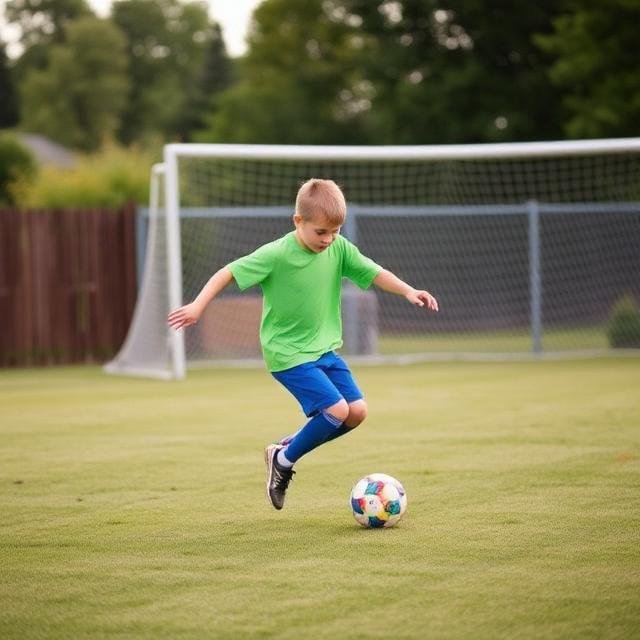
Helping kids improve at soccer doesn’t always require a big field or a full team. With the right approach, children can build strong skills, confidence, and fitness right at home. Whether in a backyard, driveway, or even a small indoor space, structured practice can make a huge difference.
In this guide, we’ll explore soccer practice drills for kids at home, explained step by step, while answering key questions parents and young players often ask.
1. Why Practice Soccer at Home?
Home training is a great way for kids to:
- Improve ball control
- Build confidence
- Stay active and healthy
- Develop discipline and consistency
The key is to keep sessions fun, simple, and engaging, especially for younger players.
2. How to Practice Soccer by Yourself at Home?
Practicing alone might seem challenging, but it’s actually one of the best ways to improve quickly.
a. Create a Small Practice Area
You don’t need much space. Use:
- A backyard
- A hallway
- A driveway
Set up cones (or household items like bottles or shoes) to create a training zone.
b. Focus on Repetition
Skill improvement comes from repeating simple actions:
- Dribbling
- Passing against a wall
- Shooting at a target
Even 20–30 minutes daily can lead to noticeable progress.
c. Use a Wall for Training
A wall acts like a training partner.
Drill ideas:
- Pass and control
- One-touch passing
- Trap and turn
d. Set Goals
Give kids small challenges:
- “Do 50 touches without losing control”
- “Score 10 goals in a row”
This keeps practice exciting and motivating.
3. What Are the 4 P’s of Soccer?
The 4 P’s of soccer are essential principles that guide player development, especially for kids.
a. Preparation
Being ready physically and mentally:
- Warm-ups
- Focus before practice
b. Practice
Consistent training to improve skills:
- Regular drills
- Repetition
c. Performance
Applying skills during games or match-like situations.
d. Progression
Gradually increasing difficulty:
- Start simple
- Add complexity over time
These principles help kids improve in a structured and effective way.
4. What Are Some Fun Soccer Drills for Kids?
Keeping drills fun is crucial for maintaining a child’s interest. Here are some enjoyable and effective drills:
a. Cone Dribbling Maze
Setup:
- Place cones (or objects) randomly
How to play:
- Dribble through the maze without touching cones
Skills developed:
- Ball control
- Agility
b. Red Light, Green Light
How to play:
- “Green light” = dribble forward
- “Red light” = stop the ball instantly
Why kids love it:
It feels like a game while improving control and reaction time.
c. Target Shooting
Setup:
- Use buckets, boxes, or marked spots
Goal:
- Hit targets with the ball
Benefits:
- Improves accuracy
- Builds confidence
d. Keep-Ups Challenge
How to play:
- Keep the ball in the air using feet, thighs, or head
Tip:
Start with one bounce between touches if needed.
e. Dribble and Turn Drill
Setup:
- Place a cone 5–10 meters away
How to play:
- Dribble to the cone
- Perform a turn
- Return quickly
f. Obstacle Course
Create a mini course using:
- Chairs
- Cones
- Toys
Kids dribble through obstacles, making training feel like an adventure.
5. What Are the 7 Skills in Soccer?
To become a well-rounded player, kids should develop these 7 essential soccer skills:
1. Dribbling
Controlling the ball while moving.
Practice:
- Cone dribbling
- Tight space control
2. Passing
Moving the ball accurately to a teammate (or wall).
Practice:
- Wall passes
- One-touch passing
3. Shooting
Scoring goals with accuracy and power.
Practice:
- Target shooting
- Shooting from different angles
4. First Touch
Controlling the ball when receiving it.
Practice:
- Trap passes from a wall
- Cushion control
5. Ball Control
Keeping the ball close and under control.
Practice:
- Toe taps
- Inside-out touches
6. Agility and Movement
Quick direction changes and balance.
Practice:
- Ladder drills (or chalk lines)
- Cone zig-zags
7. Awareness and Positioning
Understanding where to move and how to react.
Practice:
- Small-sided games
- Decision-making drills
6. Sample Daily Practice Routine for Kids
Here’s a simple 30–40 minute home training plan:
Warm-Up (5–10 minutes)
- Light jogging
- Jumping jacks
- Ball touches
Skill Training (15–20 minutes)
- Dribbling drills
- Passing against a wall
- First-touch practice
Fun Drills (10–15 minutes)
- Red Light, Green Light
- Obstacle course
- Target shooting
Cool Down (5 minutes)
- Light stretching
- Relaxed ball control
7. Tips for Parents
If you’re helping your child practice:
Keep It Fun
Avoid making training feel like a chore.
Encourage, Don’t Pressure
Focus on effort, not perfection.
Be Consistent
Short daily sessions are better than long, irregular ones.
Celebrate Progress
Even small improvements matter.
8. Indoor Soccer Practice Ideas
When outdoor space isn’t available:
- Use a soft ball
- Practice toe taps and juggling
- Do wall passing drills
- Set up mini targets
Always ensure the space is safe and free of breakable items.
9. Common Mistakes to Avoid
a. Too Much Complexity
Keep drills simple for younger kids.
b. Skipping Basics
Focus on fundamental skills before advanced techniques.
c. Long Sessions
Kids lose focus quickly—short sessions work best.
d. Lack of Variety
Mix different drills to keep things exciting.
10. Final Thoughts
Training at home is one of the best ways for kids to develop soccer skills in a comfortable and fun environment. With simple drills, consistent practice, and a positive approach, young players can improve quickly.
To summarize:
- How to practice soccer by yourself at home? Use small spaces, repeat basic drills, and stay consistent.
- What are the 4 P’s of soccer? Preparation, Practice, Performance, and Progression.
- What are some fun soccer drills for kids? Cone mazes, target shooting, and game-based activities.
- What are the 7 skills in soccer? Dribbling, passing, shooting, first touch, control, agility, and awareness.
The most important thing is to make soccer enjoyable. When kids have fun while practicing, improvement comes naturally.
With just a ball, a bit of space, and the right mindset, any child can start their soccer journey right at home.