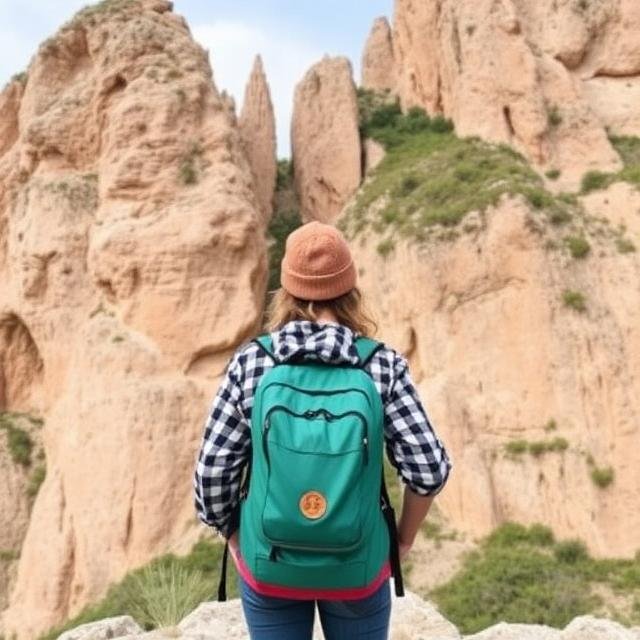
Backpacking across Europe is one of the most rewarding travel experiences in the world. From historic cities and scenic countryside to efficient transport networks and diverse cultures, Europe offers everything a traveler could want—often within short distances.
The best part? You don’t need a luxury budget to explore it. With smart planning, flexible routes, and a few proven strategies, you can travel across Europe affordably while still enjoying comfort and memorable experiences.
This guide breaks down affordable backpacking routes across Europe, along with essential budgeting tips and answers to the most common travel questions.
How much would it cost to go backpacking across Europe?
The cost of backpacking across Europe depends heavily on your travel style, destinations, and duration. However, here is a realistic breakdown for 2026:
1. Budget backpacker (₹70,000–₹1.5 lakh / €800–€1,800 per month)
- Hostel accommodation
- Budget meals (supermarkets, street food)
- Train/bus travel or low-cost flights
- Free walking tours and low-cost attractions
👉 This is the most common backpacking style.
2. Comfortable backpacker (₹1.5 lakh–₹2.5 lakh / €1,800–€3,000 per month)
- Private hostel rooms or budget hotels
- Occasional restaurant meals
- Faster transport options (trains + flights)
- Paid attractions and experiences
3. Mid-range explorer (₹2.5 lakh+ / €3,000+)
- Boutique stays
- Regular dining out
- Flexible transport (trains, flights, taxis)
- Premium experiences
Key cost factors in Europe
- Western Europe (France, Switzerland, UK) = expensive
- Eastern Europe (Poland, Hungary, Romania) = budget-friendly
- Transportation = biggest variable cost
👉 On average, a backpacking trip across Europe costs €40–€100 per day depending on lifestyle.
What is the cheapest way to travel across Europe?
Europe is one of the easiest continents to travel cheaply if you use the right strategies.
1. Use budget buses and trains
- Companies like FlixBus offer extremely cheap intercity travel
- Eurail passes can be cost-effective for multi-country trips
Buses are often cheaper than trains for long distances.
2. Fly with low-cost airlines
Budget airlines such as:
- Ryanair
- easyJet
- Wizz Air
These airlines offer flights across Europe for very low prices if booked early.
3. Stay in hostels or shared accommodations
- Dorm beds are the cheapest option
- Many hostels include free breakfast
- Some offer kitchens to save on food costs
4. Travel off-season
Cheapest months:
- February
- March
- October
- November
Off-season travel reduces both accommodation and flight costs significantly.
5. Walk and use public transport
- Many European cities are walkable
- Metro systems are efficient and affordable
6. Book in advance
Early bookings for transport and stays can save up to 50%.
Affordable backpacking routes across Europe (best itineraries)
Here are some of the most budget-friendly and efficient backpacking routes:
Route 1: Eastern Europe Budget Trail (Cheapest Route)
👉 Countries: Poland → Czech Republic → Hungary → Slovakia
Why this route is ideal:
- Very low cost of living
- Affordable hostels and food
- Rich history and architecture
- Well-connected train and bus routes
Highlights:
- Kraków Old Town
- Prague Castle
- Budapest thermal baths
- Bratislava riverside walks
👉 This is one of the cheapest backpacking routes in Europe.
Route 2: Balkan Adventure Route (Hidden Gem Route)
👉 Countries: Croatia → Bosnia & Herzegovina → Montenegro → Albania
Why it’s great:
- Stunning natural beauty
- Cheap coastal cities
- Less touristy than Western Europe
Highlights:
- Dubrovnik old city walls
- Mostar bridge
- Bay of Kotor
- Albanian Riviera
👉 Ideal for beach + mountain lovers on a budget.
Route 3: Western Europe Starter Route (Classic Route)
👉 Countries: France → Belgium → Netherlands → Germany
Why choose this:
- Iconic cities
- Efficient transport
- Rich cultural experiences
Highlights:
- Paris landmarks
- Brussels architecture
- Amsterdam canals
- Berlin history
👉 Slightly more expensive but very well connected.
Route 4: Mediterranean Budget Route
👉 Countries: Spain → Italy → Greece
Why it’s popular:
- Amazing food culture
- Beautiful coastlines
- Good mix of budget and comfort
Highlights:
- Barcelona beaches
- Rome historical sites
- Greek islands
👉 Best for a mix of culture + relaxation.
What is the 20% rule for backpacking?
The 20% rule for backpacking is a smart budgeting strategy used by experienced travelers.
The rule explained:
Set aside 20% of your total budget for unexpected expenses.
Why it matters:
While backpacking, unexpected costs often arise:
- Last-minute transport changes
- Emergency accommodation
- Entry fees or hidden charges
- Medical or travel issues
Example:
If your budget is €1,000:
- €800 = planned expenses
- €200 = emergency buffer
Why this rule is important in Europe
Europe has:
- Frequent transport delays
- Seasonal price changes
- High emergency service costs
The 20% rule ensures you never run out of money mid-trip.
Is 27 too old for backpacking?
No—27 is absolutely not too old for backpacking.
In fact, many travelers consider late 20s one of the best times to explore Europe.
Why 27 is a great age for backpacking:
1. Financial stability
Most people at this age have better savings or income.
2. Better decision-making
You travel smarter, not just cheaper.
3. More comfort preference
You know when to upgrade from dorms to private rooms.
4. Clear travel goals
You focus on meaningful experiences rather than just sightseeing.
Reality check
Backpacking has no age limit:
- Students travel at 18–22
- Professionals travel at 25–35
- Many solo travelers explore even after 40
👉 Backpacking is a mindset, not an age category.
Smart tips for affordable backpacking across Europe
To make your trip both cheap and comfortable:
✔ Mix expensive and cheap countries
Stay longer in Eastern Europe and shorter in Western Europe.
✔ Use city passes
Many cities offer discount passes for transport and attractions.
✔ Cook your own meals
Hostel kitchens save significant money.
✔ Travel light
Avoid baggage fees and move easily between cities.
✔ Use free walking tours
Great way to explore cities without spending much.
Final thoughts:
Backpacking across Europe is not about spending less—it’s about spending wisely. With carefully planned routes, smart budgeting techniques like the 20% rule, and affordable transport options, Europe becomes surprisingly accessible.
To summarize:
- Backpacking costs range from €40–€100 per day
- The cheapest regions are Eastern Europe and the Balkans
- The 20% rule helps manage unexpected expenses
- 27 is a perfect age to start backpacking
Whether you choose castles in Prague, beaches in Croatia, or nightlife in Berlin, Europe offers endless experiences for every budget. With the right planning, you can explore it comfortably, affordably, and confidently.