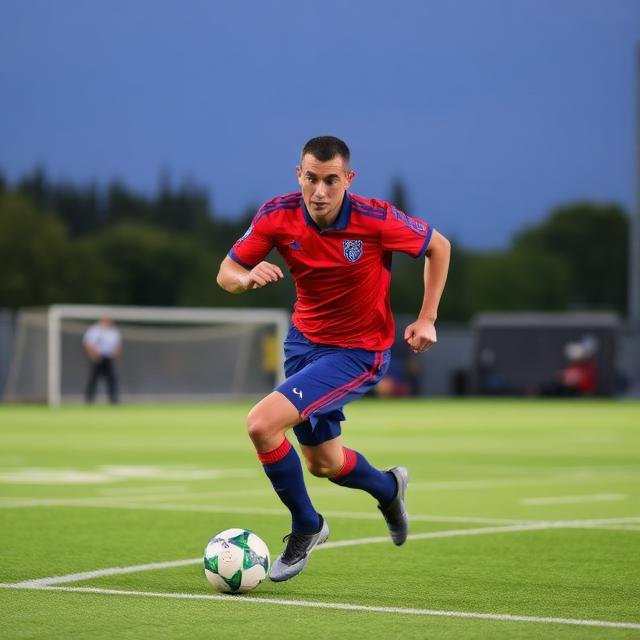
Becoming a professional football player is a dream shared by millions around the world. While only a small percentage make it to the top level, it is absolutely possible with the right combination of training, discipline, mindset, and opportunities.
This guide breaks down exactly how to become a professional footballer step by step, along with important facts, career insights, and answers to common questions.
How Can I Become a Professional Footballer?
Becoming a professional footballer is not about luck alone—it is about consistent effort over many years.
Step 1: Start Training Early
Most professional players begin training at a young age (6–12 years). Early development helps build:
- Ball control
- Coordination
- Game awareness
However, even if you start later, consistent training can still take you far.
Step 2: Master the Basics
Before advanced skills, focus on fundamentals:
- Passing
- Dribbling
- Shooting
- First touch
- Ball control
Without strong basics, advanced skills won’t be effective in real matches.
Step 3: Join a Local Football Academy
Football academies provide:
- Structured training
- Professional coaching
- Competitive matches
- Exposure to scouts
Many top players, including those in Europe, started in academies.
Step 4: Play Competitive Matches
Playing in real matches helps you:
- Improve decision-making
- Build confidence
- Handle pressure
Join school teams, local clubs, or district competitions.
Step 5: Improve Physical Fitness
Professional football requires:
- Speed
- Stamina
- Strength
- Agility
Training should include:
- Sprint drills
- Endurance running
- Strength exercises
- Flexibility work
Step 6: Get Scouted
Scouts look for:
- Talent
- Consistency
- Game intelligence
- Physical ability
Performing well in tournaments increases your chances of being noticed.
Step 7: Stay Mentally Strong
Mental strength is just as important as physical ability:
- Handle pressure
- Stay disciplined
- Learn from failure
- Stay focused on long-term goals
What Is in Football?
In football, stands for GOAT, which means:
Greatest Of All Time
What It Represents:
The GOAT title is given to players who are considered the best in football history based on:
- Skill level
- Achievements
- Consistency
- Impact on the sport
Famous Players Often Called GOAT:
- Lionel Messi
- Cristiano Ronaldo
These players have dominated football for over a decade and are widely regarded as two of the greatest ever.
Who Is the 3 Richest Soccer Player?
Footballers earn money through salaries, sponsorships, and business ventures. The richest players often have global brand deals.
Top 3 Richest Soccer Players:
1. Cristiano Ronaldo
- One of the highest-paid athletes in the world
- Earnings from clubs and sponsorships (Nike, etc.)
- Massive global brand influence
2. Lionel Messi
- High salary from top clubs
- Lucrative endorsement deals
- Strong business investments
3. Neymar Jr.
- Huge club contracts
- Major brand sponsorships
- Strong media and entertainment presence
These rankings can change over time depending on contracts and investments.
Can a 14 Year Old Play in the Premier League?
Short Answer:
No, a 14-year-old cannot play in the Premier League in official matches.
Why?
The Premier League has strict rules:
- Players must meet age and registration requirements
- Professional contracts are usually allowed from age 17
However:
A 14-year-old can:
- Join football academies
- Train with youth teams
- Play in junior competitions
- Be scouted by clubs
Famous Example:
Some players join academies at 13–15 and later become professionals at 17–18.
So while they cannot play in official Premier League matches, they can begin their journey early.
Step-by-Step Roadmap to Become a Professional Footballer
Here is a structured long-term plan:
Stage 1: Foundation (Ages 6–12)
- Learn basic football skills
- Play regularly for fun
- Develop coordination and control
Stage 2: Skill Development (Ages 12–15)
- Join a football academy or club
- Focus on advanced techniques
- Play competitive matches
- Improve fitness and discipline
Stage 3: Competitive Growth (Ages 15–18)
- Compete in high-level youth tournaments
- Train regularly with professional coaches
- Start building a personal playing style
Stage 4: Professional Transition (18+)
- Trial for professional clubs
- Sign contracts if selected
- Compete in senior-level football
Key Skills Needed to Become a Professional Footballer
1. Technical Skills
- Passing
- Shooting
- Dribbling
- Ball control
2. Physical Fitness
- Speed
- Endurance
- Strength
- Agility
3. Tactical Awareness
- Positioning
- Game reading
- Decision-making
4. Mental Strength
- Confidence
- Focus
- Discipline
- Resilience
Common Mistakes to Avoid
1. Ignoring Fitness
Skill alone is not enough in professional football.
2. Lack of Discipline
Skipping training slows progress.
3. Not Playing Matches
Match experience is essential.
4. Giving Up Too Early
Most professionals take years to develop.
Daily Training Routine for Aspiring Footballers
Warm-Up (10 Minutes)
- Jogging
- Stretching
- Ball touches
Skill Training (30 Minutes)
- Dribbling drills
- Passing practice
- Shooting practice
Fitness Training (20 Minutes)
- Sprint intervals
- Squats
- Core exercises
Cool Down (10 Minutes)
- Stretching
- Breathing exercises
Final Thoughts
Becoming a professional football player is a long journey that requires patience, discipline, and passion. There are no shortcuts, but there is a clear path if you are willing to work for it.
To summarize:
- Start early and train consistently
- Join clubs or academies for exposure
- Build both technical and physical skills
- Stay mentally strong and disciplined
- Understand that even top players like Messi, Ronaldo, and Neymar worked for years to reach the top
With dedication and the right guidance, your dream of becoming a professional footballer can become a reality.