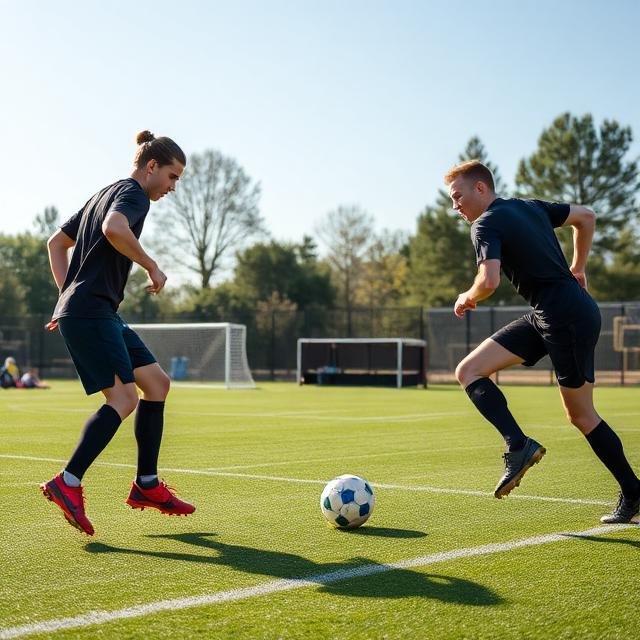
Football is not just about skill—it is also about fitness, stamina, agility, and strength. Young players who want to improve their game must focus on structured fitness training along with technical practice.
This guide explains a complete football fitness training program for young players, along with simple workout rules and answers to important questions that help build a strong foundation.
Why Fitness Matters in Football for Young Players
Football is a fast-paced sport that requires:
- Continuous running
- Quick direction changes
- Strong muscles for tackles and shots
- High stamina for 90-minute matches
Without proper fitness, even skilled players struggle during real matches.
How to Improve Kids’ Fitness for Football?
Improving kids’ fitness for football should always be fun, safe, and progressive. Young players should not be forced into heavy workouts.
Key Methods:
1. Make Training Fun
Use games instead of strict workouts:
- Relay races
- Cone dribbling games
- Small-sided matches
2. Focus on Basic Movement Skills
Before intense training:
- Running properly
- Jumping
- Balancing
- Coordination drills
3. Include Daily Activity
Even outside training:
- Walking
- Cycling
- Playing outdoor games
4. Build Gradually
Start slow and increase intensity over time to avoid injury.
5. Include Rest Days
Recovery is essential for growth and performance.
Football Fitness Training Program for Young Players
This program is designed to improve:
- Speed
- Strength
- Stamina
- Agility
- Coordination
Weekly Training Plan
Day 1: Speed & Agility Training
- Sprint runs (10–20 meters) – 5 sets
- Ladder drills or cone zig-zag – 10 minutes
- Side shuffles – 3 sets
Day 2: Strength Training (Bodyweight)
- Squats – 3 sets of 12 reps
- Push-ups – 3 sets of 8–10 reps
- Lunges – 3 sets of 10 reps
Day 3: Rest or Light Activity
- Walking or stretching
Day 4: Endurance Training
- Jogging – 10–15 minutes
- High knees – 3 sets
- Jumping jacks – 3 sets
Day 5: Football Skills + Fitness Combo
- Dribbling drills – 10 minutes
- Passing practice – 10 minutes
- Sprint + control exercises
Day 6: Core & Balance Training
- Plank – 3 sets (20–40 seconds)
- Leg raises – 3 sets
- Balance on one leg – 3 sets
Day 7: Rest
What Is the 3-3-3 Rule for Workout?
The 3-3-3 rule is a simple fitness structure often used for beginners and young athletes.
Structure:
- 3 exercises per workout
- 3 sets per exercise
- 3 times per week
Example for Football Training:
- Squats
- Push-ups
- Plank
Benefits:
- Easy to follow
- Builds consistency
- Prevents overtraining
- Perfect for beginners and kids
What Is the 5 4 3 2 1 Workout?
The 5-4-3-2-1 workout is a countdown-style training method that keeps workouts engaging and challenging.
Structure:
- 5 reps of one exercise
- 4 reps of another
- 3 reps
- 2 reps
- 1 rep
Example for Football Fitness:
- 5 squats
- 4 push-ups
- 3 lunges per leg
- 2 burpees
- 1 sprint
Benefits:
- Builds endurance
- Improves mental focus
- Keeps training fun
- Increases intensity gradually
This method is great for young players because it feels like a game rather than a strict workout.
What Is the 2 2 2 Rule in Gym?
The 2-2-2 rule is a simple training principle often used for controlled strength workouts.
Structure:
- 2 sets of exercise
- 2 minutes rest between sets
- 2 types of movements (push + pull or strength + cardio)
Example for Football Fitness:
- Squats (2 sets)
- Push-ups (2 sets)
- 2-minute rest between sets
Benefits:
- Helps beginners avoid fatigue
- Improves recovery
- Encourages proper form
- Prevents overtraining
For young football players, it helps maintain balance between training and recovery.
Key Components of Football Fitness Training
1. Speed Training
Football requires fast movement:
- Sprint drills
- Acceleration exercises
- Direction change drills
2. Strength Training
Strong muscles improve performance:
- Bodyweight squats
- Push-ups
- Core exercises
3. Endurance Training
Players must stay active for long durations:
- Jogging
- Interval running
- Continuous movement drills
4. Agility Training
Helps players change direction quickly:
- Cone drills
- Ladder drills
- Zig-zag running
5. Flexibility Training
Reduces injury risk:
- Stretching
- Yoga
- Mobility exercises
Simple 20-Minute Football Fitness Routine
Perfect for young players with limited time:
Warm-Up (5 Minutes)
- Light jogging
- Arm circles
- Stretching
Main Workout (12 Minutes)
- Squats – 10 reps
- Push-ups – 8 reps
- Sprint – 10 meters x 5
- Jumping jacks – 15 reps
Cool Down (3 Minutes)
- Stretching
- Deep breathing
Common Mistakes Young Players Should Avoid
1. Overtraining
Too much exercise can lead to injury and fatigue.
2. Ignoring Rest
Recovery is essential for growth and performance.
3. Poor Form
Incorrect technique reduces effectiveness.
4. Skipping Warm-Ups
Always prepare the body before training.
Tips for Better Football Fitness
1. Stay Consistent
Train regularly, even for short periods.
2. Combine Skills with Fitness
Mix football drills with fitness exercises.
3. Eat Healthy Foods
Nutrition supports energy and recovery.
4. Drink Enough Water
Hydration improves performance.
5. Make It Fun
Enjoyable training increases motivation.
Final Thoughts
A structured football fitness training program for young players helps build a strong foundation for long-term success. Fitness is just as important as skill in football.
To summarize:
- Focus on speed, strength, endurance, and agility
- Use simple workout systems like the 3-3-3 rule
- Try fun methods like the 5-4-3-2-1 workout
- Maintain balance with recovery using the 2-2-2 rule
- Train consistently and safely
Young players who build fitness early gain a huge advantage in their football journey. With regular practice, discipline, and smart training, improvement comes quickly and naturally.